SURFACE PREPARATION AND APPLICATION CYCLE
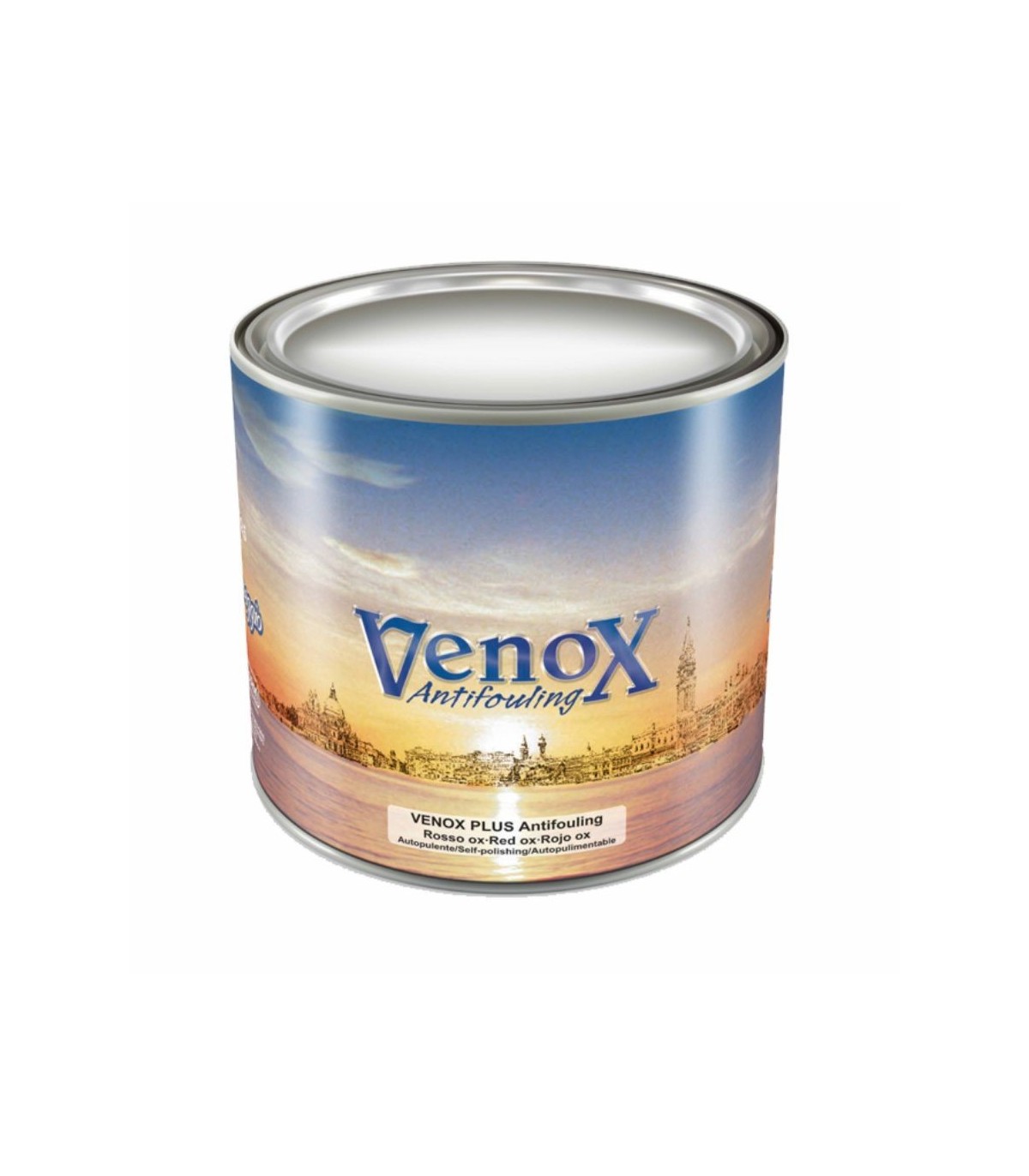
Helmets in new iron. On iron blasted at grade 2.5, a coat of two-component EPOFOND AM-9 is applied, leaving it to dry for 12-24 hours. Then apply 2 layers of EPOFOND AM-9 with an interval of 24 hours between the two layers (min. 6-8 hours). Then apply 2-3 coats of VENOX SUPER antifouling, always respecting the recommended repainting times between coats.
New wooden hulls. Apply 1 coat of LIGNUM IMPREGNANTE and then 2 coats of SOLVER PRIMER. Next, 2 coats of VENOX SUPER antifouling, always respecting the recommended repainting times between coats.
Fiberglass (gelcoat). Apply 1 coat of UNIFIBER PRIMER and then 2-3 coats of antifouling to VENOX SUPER, always respecting the recommended repainting times between coats.
Helmets already painted. Hulls must be clean, free of scale, and washed with fresh water and sanded (to sand antifouling it is recommended to use wet paper and a mask and goggles to avoid dust). Apply a coat of intermediate SOLVER PRIMER over the old antifouling (especially if it is of unknown natural origin), followed by 2 coats of VENOX SUPER antifouling, always respecting the repainting times between coats.
Recommendations. The maximum period of commissioning of the antifouling, after the application of the last coat, is 1 month; With the best products in the range based on copper oxide and prior agreement with our technical staff, it can be extended up to 3 months, provided that the hull is protected from humidity, rain or atmospheric agents, with plastic or similar material.
Colour. The color of the antifouling after immersion in water may vary slightly. Small differences in color may occur between different production batches: if necessary, mix them before application.
Observations. The values indicated in these technical sheets may vary slightly from one production to another. The applied product must not come into contact with water, chemicals or be subjected to mechanical stress before crosslinking is complete. Wet film thickness refers to undiluted product. With dilution, this value will increase. The information mentioned above is the result of precise laboratory tests and practical experience; however, since the product is used primarily outside the manufacturer's control, the manufacturer can only guarantee its continued quality. The information contained in this form may be subject to review by the Company. For clarifications, updates or more information, we recommend contacting the manufacturer directly. This cancels and replaces the previous ones.
| Monocomponent |
| natural resins |
| 1.60-1.65 depending on the color |
| Four. Five% |
| 12-15 sec. |




 Black
Black
 English
 Español
 Français
 Português PT
 Deutsch
 Italiano


